
Chimney Caps in Dover, DE: What They Do and Why Your Chimney May Need One
Water in the fireplace. Strange noises coming from the chimney. Cold drafts you can’t explain. These are the kinds of problems that make homeowners start looking into chimney caps, often without realizing what a chimney cap actually is or why it matters. In many cases, these issues trace back to one simple but critical missing or damaged component at the top of the chimney.
What Is a Chimney Cap?
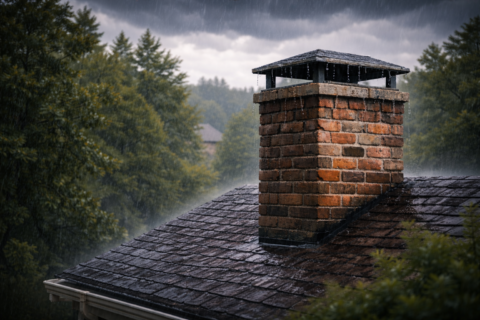
A chimney cap is a protective covering installed at the top of the chimney over the flue opening. Its job is to allow smoke and exhaust to exit the chimney while keeping unwanted elements out. Although it’s small compared to the rest of the chimney system, a chimney cap plays an important role in protecting the chimney structure, the fireplace, and even parts of the home itself.
Why Chimney Caps Matter More Than You Might Think
Without a chimney cap, rain and snow can flow directly into the chimney. Over time, moisture can damage masonry, deteriorate chimney liners, rust metal components, and cause water stains inside the home. Chimney caps also prevent animals like birds, squirrels, and raccoons from entering the chimney and building nests that block airflow and create fire hazards. In addition, a properly installed chimney cap can help reduce downdrafts, keep debris out of the flue, and improve how the chimney drafts during use. For homes in Dover, where changing weather is part of the norm, chimney caps are an important layer of protection.
Common Problems Caused by Missing or Damaged Chimney Caps
Homeowners often don’t realize their chimney cap is missing or damaged until a problem appears. Common warning signs include water leaking into the firebox, debris falling into the fireplace, unpleasant odors, increased drafts, animal activity inside the chimney, or visible deterioration at the top of the chimney. In older homes, it’s also common to find that a chimney cap was never installed in the first place.
Types of Chimney Caps
Chimney caps come in several styles, and the right choice depends on the chimney’s design and condition. Single-flue chimney caps are designed for chimneys with one flue opening. Multi-flue chimney caps cover multiple flues and offer full coverage for the chimney top. Custom chimney caps are often used for chimneys with unique sizes, shapes, or crowns and are built to fit precisely. Some chimney caps include spark arrestors or draft-enhancing features, depending on the needs of the fireplace and home.
Why an Inspection Is Important Before Installing a Chimney Cap
It’s not always possible to see chimney cap issues from the ground. A professional chimney inspection allows the top of the chimney to be evaluated for missing or damaged caps, crown issues, liner concerns, and other problems that may affect performance and safety. Installing the wrong size or type of chimney cap can create airflow problems, which is why inspection comes first.
How ChimneyTek Helps With Chimney Caps in Dover, DE
ChimneyTek helps homeowners address chimney cap issues by starting with a thorough inspection and recommending the right solution for the specific chimney system. Whether the chimney needs a standard cap, a replacement, or a custom-fabricated option, ChimneyTek ensures proper sizing, secure installation, and long-term protection. The focus is on preventing future damage and helping the chimney function safely and efficiently.
Protecting Your Chimney Starts at the Top
Chimney caps are a small investment that can prevent much larger problems over time. If your chimney is experiencing water issues, drafts, or signs of animal activity, the issue may be at the very top. Addressing chimney cap concerns early can help protect your home, your fireplace, and your peace of mind.

Many homeowners don’t think about their chimney liner until something goes wrong. However, your chimney liner is one of the most important safety…
March in Anne Arundel County often brings steady rain, coastal winds, and damp conditions, especially for homes near the Chesapeake Bay. While spring…