
March Rain and Leaky Chimneys in Anne Arundel County: Why Homes Near the Chesapeake Bay Are Especially Vulnerable
March in Anne Arundel County often brings steady rain, coastal winds, and damp conditions, especially for homes near the Chesapeake Bay. While spring rain is good for the Bay, it can expose hidden problems in chimneys that have been quietly developing all winter. One of the most common issues homeowners notice this time of year is water where it doesn’t belong—inside the chimney, the fireplace, or even the home itself.
Why Chimneys Are Prone to Leaks During Spring Rain
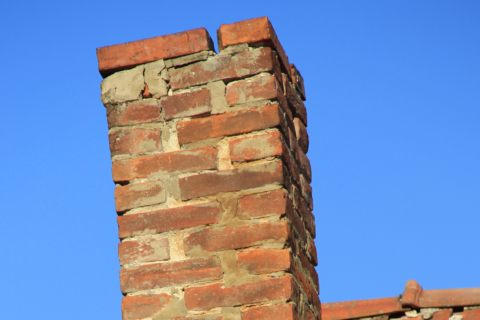
Chimneys are constantly exposed to the elements, and after months of winter weather, small issues can quickly turn into noticeable leaks once spring rain arrives. Masonry is porous by nature, which means bricks and mortar absorb moisture over time. When combined with wind-driven rain common near the Chesapeake Bay, water can find its way into cracks, deteriorated mortar joints, damaged chimney crowns, or gaps around flashing.
In many cases, homeowners don’t realize there’s a problem until they see water stains, damp odors, or dripping inside the fireplace.
Why Homes Near the Chesapeake Bay Face Higher Risk
Homes in Anne Arundel County, especially those closer to the Bay, deal with higher humidity, stronger winds, and frequent weather changes. Salt air and constant moisture can accelerate the breakdown of chimney materials, causing masonry to deteriorate faster and metal components like flashing or chimney caps to rust or fail.
These conditions make chimneys in coastal areas more susceptible to leaks compared to homes farther inland, even when the chimney appears solid from the ground.
Common Signs of a Leaky Chimney
Leaky chimneys don’t always announce themselves right away, but there are warning signs homeowners should not ignore.
- Water or dampness inside the fireplace
- Staining on walls or ceilings near the chimney
- Musty odors
- Peeling paint or wallpaper
- Rusted fireplace components
- Visible damage at the top of the chimney
Over time, unchecked moisture can lead to more serious issues such as liner damage, mold growth, or structural deterioration.
What Causes Chimney Leaks in Older Anne Arundel County Homes
In older homes throughout Anne Arundel County, chimney leaks are often caused by a combination of aging materials and outdated construction methods.
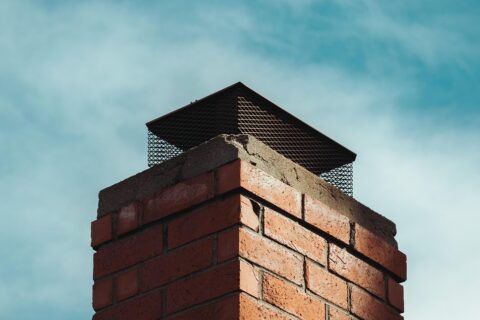
Common causes include cracked chimney crowns, deteriorated mortar joints, missing or damaged chimney caps, failed flashing where the chimney meets the roof, and liners that have been compromised by moisture intrusion.
In many cases, more than one issue is contributing to the leak, which is why surface-level repairs don’t always solve the problem.
Why You Can’t Diagnose a Chimney Leak Without an Inspection
It’s tempting to assume that visible damage is the source of a leak, but chimney water issues are rarely that simple. Water can enter at one point and show up somewhere completely different inside the home.
The only way to accurately identify the source of a chimney leak is through a professional chimney inspection. An inspection allows the entire chimney system to be evaluated, including the exterior, interior, and components that aren’t visible from the ground.
How ChimneyTek Helps Protect Homes in Anne Arundel County
ChimneyTek works with homeowners throughout Anne Arundel County to identify and resolve chimney leaks before they cause long-term damage.
The process starts with a thorough inspection to determine exactly where water is entering and why. From there, ChimneyTek recommends targeted solutions such as masonry repair, crown repair, flashing correction, chimney caps, or waterproofing, depending on what the chimney actually needs.
The focus is always on fixing the root cause of the problem, not just the symptoms.
Don’t Let Spring Rain Turn Into Costly Chimney Damage
March rain is often the first sign that a chimney has vulnerabilities that need attention. For homes near the Chesapeake Bay, addressing chimney leaks early is especially important due to the ongoing exposure to moisture and coastal conditions.
Taking action now can help protect your chimney, your fireplace, and your home from more extensive repairs down the road.
When water shows up inside a home, most homeowners immediately assume they have a roof problem. A ceiling stain, damp drywall, or water near a…
Water in the fireplace. Strange noises coming from the chimney. Cold drafts you can’t explain. These are the kinds of problems that make homeowners…